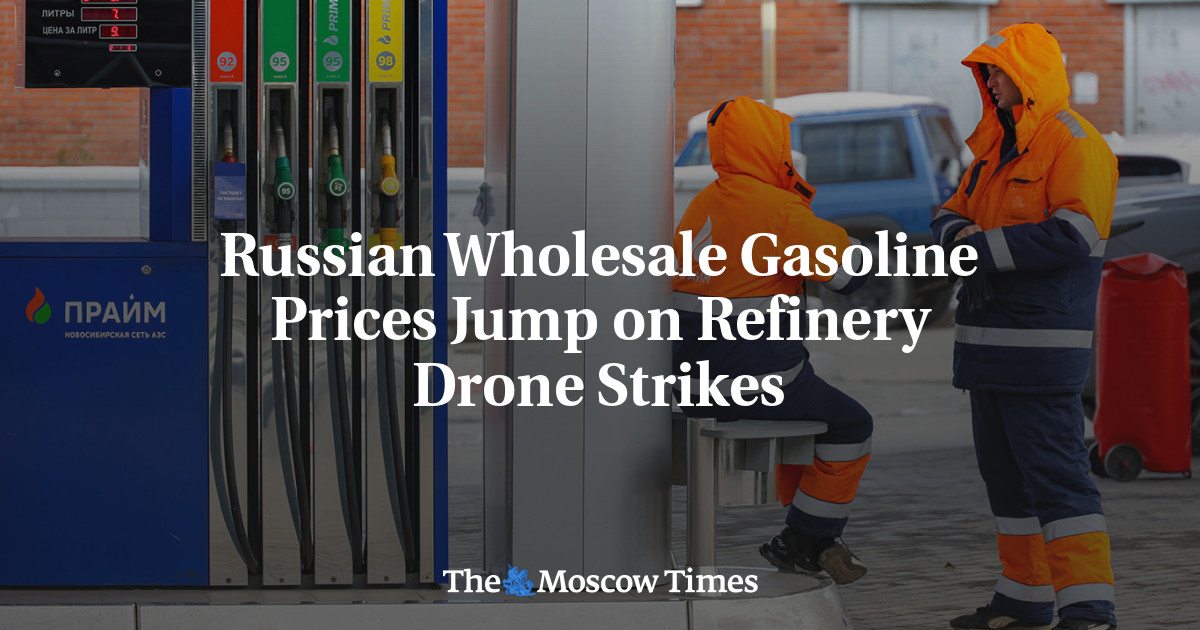
The Escalating Crisis: A Deep Dive into Russia's Fuel Market
Russia's domestic fuel market is currently grappling with unprecedented volatility, witnessing a sharp and sustained surge in prices that has set new historical records. The phenomenon of
gestiegene Spritpreise, or rising fuel prices, has become a pressing concern for both consumers and industries across the vast nation. Since 2022, the cost of fuel in Russia has skyrocketed by an estimated 50%, a staggering increase that underscores the severity of the ongoing crisis. This dramatic price hike is not merely a seasonal fluctuation but rather a symptom of deeper systemic pressures, including geopolitical conflicts, supply chain disruptions, and the strategic actions of various market players. As daily life and economic activity heavily rely on stable fuel costs, this escalation poses significant challenges, forcing a closer look at the complex factors at play. For a broader overview of the market's turbulence, consider reading our detailed analysis on
Russian Fuel Prices Soar 50% Since 2022: Market Unrest.
The most tangible evidence of this crisis can be seen on the St. Petersburg International Mercantile Exchange (SPIMEX), a key indicator for Russian energy markets. Here, the price for AI-95 gasoline in the European part of Russia soared to a new historical record, reaching 77,001 rubles per tonne in early August. This single-day increase of 1.08% was merely one snapshot of a consistent upward trend. Meanwhile, official statistics regarding gasoline and diesel production have been classified as secret by Russian authorities since the previous year, shrouding the true extent of the supply situation in mystery. However, the market's undeniable reaction, characterized by these persistent price increases, tells a story that government secrecy cannot fully conceal. This opacity makes it challenging for analysts and citizens alike to fully grasp the underlying causes and potential solutions to the current fuel predicament.
Ukrainian Strikes: A Major Catalyst for Price Hikes
A significant driver behind the recent surge in fuel prices has been a series of targeted strikes by Ukrainian forces against Russian oil refineries. These drone attacks, particularly those occurring in early August, have critically impacted Russia's refining capacity. Reports suggest that these assaults have damaged primary processing units with a combined capacity of approximately 40,000 tonnes of fuel per day. Such infrastructure damage immediately translates into reduced output of refined petroleum products, directly tightening domestic supply and exerting immense upward pressure on prices.
One notable incident involved the Rosneft-operated Novokuibyshevsk refinery in the Samara region, which reportedly ceased operations following Ukrainian strikes. These attacks are not isolated events but form part of a broader strategy by Ukraine to disrupt Russia's war economy and logistics. By targeting key energy infrastructure, Ukraine aims to diminish Russia's ability to produce and distribute fuel essential for both its military operations and civilian needs. Beyond direct damage, the mere threat of further attacks can cause operational disruptions, lead to precautionary shutdowns, and necessitate costly, time-consuming repairs, all of which contribute to a constrained supply environment. Furthermore, the Russian Fuel Union has indicated that a "wave of planned repairs" is imminent across various refineries, which could further decrease the production of petroleum products. This combination of unplanned damage and scheduled maintenance creates a challenging outlook for domestic fuel availability, exacerbating the problem of
gestiegene Spritpreise.
Moscow's Response: Export Bans, Oversight, and Official Narratives
In an attempt to stabilize its volatile domestic fuel market, the Russian government has implemented a series of measures, ranging from export restrictions to internal market oversight and the dissemination of official narratives. On July 28th, Russian authorities dramatically escalated existing limitations by imposing a complete export ban on gasoline until the end of August. This move, extending restrictions initially set in place on March 1st, highlights the urgency with which the government perceives the domestic supply challenge. The primary aim of such a ban is to divert all available fuel production to the internal market, theoretically alleviating shortages and curbing price increases.
Simultaneously, the Federal Antimonopoly Service (FAS) of Russia has stepped up its monitoring efforts, reportedly overseeing 12,000 gas stations across the country. This widespread surveillance aims to detect any potential violations of anti-monopoly laws, suggesting concerns about price gouging or cartel-like behavior among fuel retailers. Despite these interventions and the clear market signals of rising prices, the official stance from the Russian Energy Ministry often paints a different picture. In a statement widely circulated by state-controlled media, the ministry asserted that "the market for petroleum products is in surplus equilibrium and fully covers the needs of the economy." It attributed any price increases to "seasonal demand during the summer months," rather than fundamental supply issues caused by strikes or production shortfalls. The ministry also claimed that oil companies had reduced export deliveries and supplied additional fuel volumes to the domestic market to stabilize the situation. This official narrative, however, often stands in stark contrast to regular reports from regional Russian media, which consistently document ongoing price hikes at local gas stations, fueling public skepticism and economic uncertainty.
Beyond the Headlines: Navigating the Impact of High Fuel Costs
The continuous rise in fuel prices extends its impact far beyond mere numbers on a trading exchange. For the Russian economy, sustained high fuel costs ripple through various sectors, increasing transportation expenses for goods, driving up agricultural production costs, and potentially contributing to broader inflationary pressures. Businesses face higher operational expenditures, which can lead to increased prices for consumers, squeezing household budgets already strained by economic sanctions and uncertainties. For the average Russian citizen,
gestiegene Spritpreise mean less disposable income, affecting everything from daily commutes to leisure travel.
In times of escalating fuel costs, consumers are actively seeking ways to mitigate the financial burden. While the geopolitical drivers of Russia's fuel crisis are beyond individual control, adopting smart driving habits can significantly help manage fuel consumption. One common mistake, especially in colder climates, is to immediately blast the heating and fan to full power upon starting a cold engine. This actually causes the engine to take longer to warm up because the cold air pulled through the heat exchanger acts like a small radiator, drawing heat away from the engine.
Instead, consider these fuel-saving tips:
- Gradual Warm-Up: Allow your engine to warm up naturally. Keep the heating at a moderate level (e.g., 80%) and the fan speed low (e.g., setting 1) initially. The climate control, if automatic, should be on.
- Gentle Driving: Start driving gently, keeping engine RPMs below 2,000 for the first few kilometers. Avoid rapid acceleration.
- Moderate Speed: For the initial 8 kilometers, try not to exceed 80 km/h in higher gears. Once the temperature gauge reaches optimal operating temperature (around 90°C), you can gradually increase speed, but sustained high speeds still consume more fuel.
- Regular Maintenance: Consistent oil changes and routine engine maintenance ensure your vehicle runs at peak efficiency, which directly translates to better fuel economy and a longer lifespan for your engine and transmission.
Implementing these practices can not only save you money at the pump but also reduce wear and tear on your engine, especially during harsh winters. For more comprehensive strategies to combat high fuel costs with smart driving, especially in cold weather, explore our guide on
Rising Fuel Costs: Smart Winter Driving Tips to Save Gas.
Conclusion: An Uncertain Road Ahead
The ongoing fuel crisis in Russia, marked by alarming
gestiegene Spritpreise and record-high costs, is a complex confluence of geopolitical conflict, strategic infrastructure attacks, governmental intervention, and market dynamics. Ukrainian strikes on refineries have clearly emerged as a primary catalyst, directly impacting domestic supply. While Moscow attempts to stabilize the market through export bans and anti-monopoly oversight, its official narrative often struggles to reconcile with the tangible realities faced by consumers and businesses. The shroud of secrecy surrounding production data further complicates a clear understanding of the situation. As the conflict continues and internal pressures mount, the road ahead for Russia's fuel market remains uncertain, suggesting continued volatility and significant economic challenges for the nation and its citizens. The intertwining of military strategy, economic policy, and everyday consumer costs paints a stark picture of the broader implications of geopolitical unrest.