Rising Fuel Costs: Smart Winter Driving Tips to Save Gas
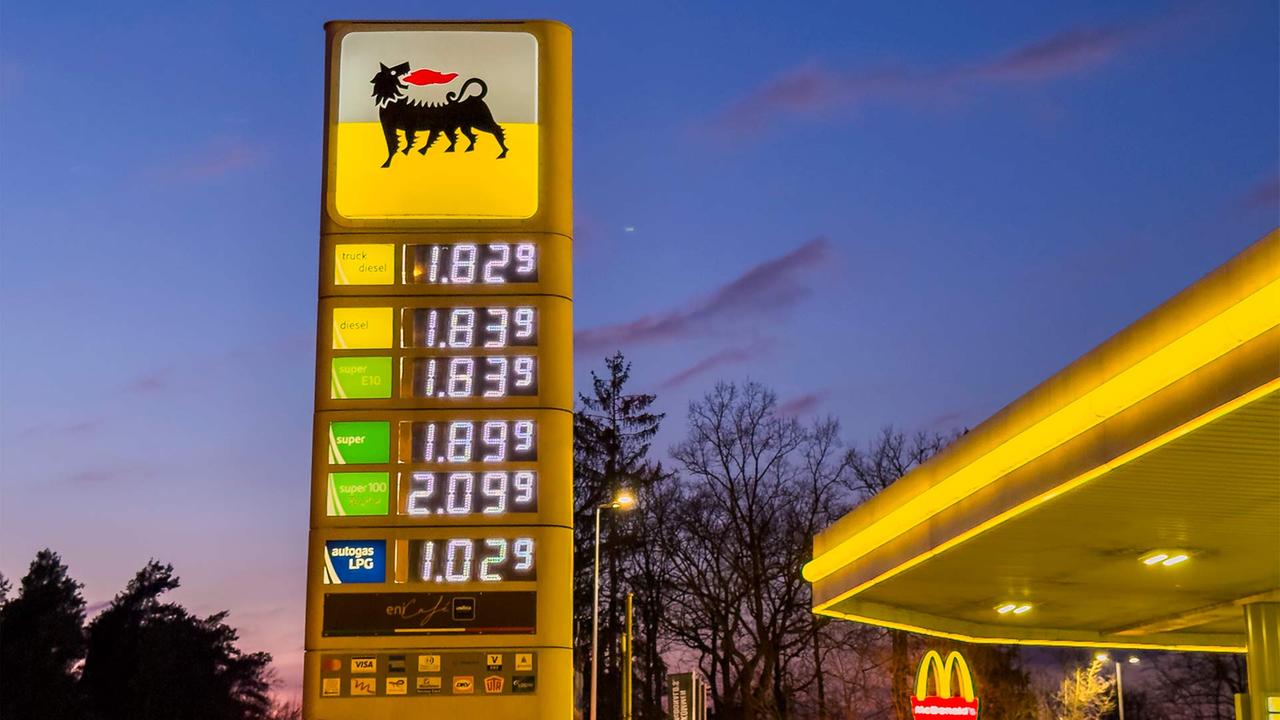
The colder months bring with them not only challenging driving conditions but also a noticeable dent in our wallets, especially with the global trend of gestiegene Spritpreise (rising fuel costs). As temperatures drop, our vehicles work harder, consuming more fuel to operate efficiently and keep us warm. But faced with the reality of increasingly expensive gasoline and diesel, are we powerless? Absolutely not. By adopting smart driving strategies and understanding how our vehicles react to the cold, we can significantly mitigate fuel consumption and drive more economically this winter.
The Global Reality of Rising Fuel Costs
Across the globe, drivers are feeling the pinch of fuel prices that have been on a significant upward trajectory. In some regions, like Russia, fuel prices have reportedly surged by approximately 50% since 2022. This dramatic increase is often a confluence of geopolitical factors, supply chain disruptions, and localized market pressures. For instance, recent reports have highlighted how external pressures, such as strikes against critical infrastructure like oil refineries, can severely impact production capacities. When refineries are damaged or forced into unplanned maintenance, the supply of refined petroleum products dwindles, leading to price spikes as demand outstrips availability. Countries may also impose export bans to stabilize their domestic markets, further impacting global supply and driving up costs elsewhere. This volatile landscape makes it more critical than ever for individual drivers to focus on what they can control: their own driving habits and vehicle maintenance.
Master Your Engine's Warm-up for Maximum Efficiency
One of the biggest culprits of excessive fuel consumption in winter is an inefficient engine warm-up. Many drivers unwittingly make a common mistake: they start their cold engine, immediately crank the heater to full blast, and set the fan to maximum. While this seems logical for quickly defrosting the car and warming the cabin, it actually impedes your engine's ability to reach its optimal operating temperature, leading to higher fuel use and increased wear.
Here’s why: Your car’s heating system relies on a component called a heat exchanger (often referred to as a heater core). This component uses the engine's hot coolant to warm the air entering the cabin. When the engine is cold, the coolant is also cold. If you immediately blast the fan on full, you’re forcing a large volume of cold air through this heat exchanger. In essence, the heat exchanger begins to act like a small radiator, actively pulling heat away from the already cold engine coolant. This makes the engine take longer to warm up, prolonging the period it operates inefficiently.
The Smart Warm-Up Strategy:
- Gentle Heater and Fan Settings: Instead of full blast, set your heater to a moderate level, perhaps 70-80% of its maximum, and keep the fan on a low setting (e.g., level 1 or 2). This allows the engine to warm up more naturally without excessive heat being drawn away.
- Keep AC On (If Automatic): Counter-intuitively for some, keeping your automatic climate control (which includes AC) engaged can be beneficial. Modern climate systems are designed to manage humidity and defrosting efficiently. The AC can help dehumidify the air, preventing windows from fogging up, and it's often integrated into the engine's thermal management system in a way that doesn't hinder warm-up as much as a full fan without AC.
- Drive Immediately, Gently: Avoid prolonged idling to warm up the car. The most efficient way to warm an engine is by driving it gently. Idling consumes fuel without taking you anywhere and warms the engine much slower than driving.
- Low RPMs and Early Shifting: For the first several kilometers, keep your engine's revolutions per minute (RPMs) low – ideally below 2,000 RPMs for gasoline engines, adjusting for diesel. Shift into higher gears as soon as safely possible. For example, for the initial 5-8 kilometers, try to stay at speeds no faster than 80 km/h in 5th gear.
- Gradual Speed Increase: Once your engine's temperature gauge reaches its normal operating level (often around 90°C), you can gradually increase your speed. Still, for another 4-8 kilometers (depending on outside temperature), it's wise to limit speeds to around 100 km/h. After this period, your engine should be fully warmed up and ready for normal driving, including occasional higher RPMs for overtaking.
Adopting this approach not only conserves fuel but also reduces the stress on your engine during its critical warm-up phase, contributing to its longevity and overall health.
Beyond Warm-up: General Winter Driving Practices for Fuel Economy
While mastering the warm-up is crucial, several other winter driving habits can significantly impact your fuel consumption:
- Check Your Tire Pressure Regularly: Cold weather causes tire pressure to drop. Under-inflated tires increase rolling resistance, forcing your engine to work harder and consume more fuel. Check your tire pressure weekly and inflate them to the manufacturer's recommended levels (found on a sticker inside your driver's side door jamb or in the owner's manual).
- Reduce Unnecessary Weight: Every extra kilogram your car carries requires more energy (and thus more fuel) to move. Remove anything heavy from your trunk or cabin that isn't essential for your daily driving. Those forgotten golf clubs or heavy tools add up over time.
- Plan Your Routes Wisely: In winter, icy roads and heavy traffic are common. Plan your trips to combine errands, avoid peak traffic times, and choose routes that minimize stop-and-go driving. Using navigation apps that account for real-time traffic can save you both time and fuel.
- Maintain Your Vehicle: Regular maintenance is paramount for fuel efficiency.
- Oil Changes: As highlighted by experts, regular oil changes are vital for engine and transmission longevity. Consider using a synthetic oil, especially in winter, as it flows better at lower temperatures, reducing engine drag during cold starts.
- Air Filters: A clogged air filter restricts airflow to the engine, forcing it to work harder and consume more fuel.
- Spark Plugs: Worn spark plugs can lead to misfires and inefficient combustion, wasting fuel.
- Battery Health: A weak battery struggles in cold weather, which can put extra strain on the alternator, indirectly affecting fuel economy.
- Drive Smoothly: Aggressive driving – rapid acceleration, hard braking, and excessive speeding – is a major fuel guzzler. In winter, smooth acceleration and gentle braking are not only safer on potentially slippery roads but also significantly more fuel-efficient. Anticipate traffic and road conditions to avoid sudden stops and starts.
- Limit Idling: Beyond the initial brief warm-up drive, avoid prolonged idling. If you're going to be stopped for more than 60 seconds (e.g., waiting for someone, at a long train crossing), it's generally more fuel-efficient to turn off your engine and restart it when you're ready to go.
- Dress Warm, Not the Car: Instead of relying solely on your car's heater once the cabin is warm, consider dressing in layers. Use seat heaters if available, as they warm you directly and often use less energy than continually blasting the main cabin heater.
Technology and Mindset: Long-Term Savings
While immediate driving habits are crucial, also consider the role of technology and a long-term mindset. Many modern vehicles come equipped with features designed to boost fuel economy, such as start-stop systems that automatically turn off the engine when stationary, or "eco" modes that optimize throttle response and gear shifting. For those considering a new vehicle, hybrid or electric options offer significant long-term fuel savings and reduced emissions. Ultimately, cultivating a conscious driving mindset – being aware of your speed, anticipating conditions, and practicing gentle inputs – will always be the most powerful tool in your fuel-saving arsenal, regardless of the vehicle you drive.
Conclusion
The global trend of gestiegene Spritpreise presents a challenge, especially during the harsh winter months. However, by understanding the mechanics of cold-weather driving and implementing smart, disciplined habits, you can take control of your fuel consumption. From optimizing your engine's warm-up routine to maintaining proper tire pressure and adopting a smoother driving style, these tips not only lead to tangible savings at the pump but also contribute to a longer, healthier life for your vehicle. Drive smart, stay warm, and keep more money in your pocket this winter.